Your parking lot is starting to show its age, but that doesn’t necessarily mean it’s time to tear everything out and start over. If the pavement underneath is still structurally sound, an asphalt overlay may be a practical way to restore the surface without full reconstruction.
At Dominion Paving, we help commercial property managers understand their options before committing to a paving project. Below, we’ll explain when an overlay makes sense, how thick it should be, what the process involves, and what affects the cost.
What Is an Asphalt Overlay?
An asphalt overlay is a common resurfacing method where we install a new layer of asphalt over existing pavement after completing any necessary repairs, milling, or leveling.
Asphalt Overlay vs. Milling and Overlay
An overlay raises the pavement’s elevation, while milling removes existing asphalt to make room for the new surface. Depending on your parking lot’s condition, we may mill around curbs and entrances or remove asphalt across larger areas to maintain proper drainage and smooth transitions.
When Does an Asphalt Overlay Work?
Before recommending an overlay, we’ll assess your parking lot’s condition, including areas with recurring damage or drainage problems. The extent of the damage helps us determine whether asphalt repair vs. replacement makes the most sense for your property.
Here’s how different pavement conditions affect our recommendations:
- Surface Wear or Raveling: If the pavement is still structurally sound, an overlay may restore the worn surface.
- Isolated Cracks or Damage: We’ll address the repairable damage before installing new asphalt.
- Sinking or Uneven Pavement: We’ll assess the extent of settlement to determine whether structural repairs or reconstruction are necessary.
- Drainage Problems: We’ll review existing slopes and determine whether milling or other drainage corrections are possible before recommending an overlay.
How Thick Should an Asphalt Overlay Be?
Commercial asphalt overlays are commonly 1.5 to 2 inches thick after compaction. Our 2-inch asphalt overlay process achieves the appropriate thickness based on your pavement’s condition, the asphalt mix, and the traffic your property handles.
Compacted Thickness vs. Placement Thickness
New asphalt thins as we roll and compact it. For example, a 2-inch compacted overlay refers to the new asphalt after rolling, not the total depth of your existing pavement. We account for the finished compacted thickness, so you know how thick the new asphalt will be after installation.
Why Mix Selection and Finished Elevations Matter
The asphalt mix must match the overlay thickness and expected traffic, including heavy delivery trucks and other commercial vehicles. Aggregate size also affects the thickness needed for proper installation.
Proper edge milling around curbs and entrances helps maintain smooth transitions and existing drainage patterns.
The Asphalt Overlay Process
Step 1: Assess the Existing Pavement
We evaluate your pavement’s condition, identify damaged areas, and review drainage and traffic requirements. This helps us determine what needs attention before we begin resurfacing.
Step 2: Complete Repairs, Milling, and Surface Preparation
We repair failed pavement, complete necessary milling or leveling, and clear away debris and vegetation. We also remove speed bumps and prepare transitions where needed. Proper surface preparation for asphalt overlays helps address uneven areas where asphalt can compact differently and affect the finished surface.
Step 3: Apply the Tack Coat
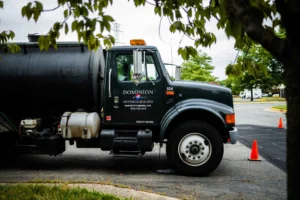
We apply a tack coat to help bond the new asphalt to the prepared surface, allowing the pavement layers to work together under traffic.
Step 4: Place and Compact the Asphalt
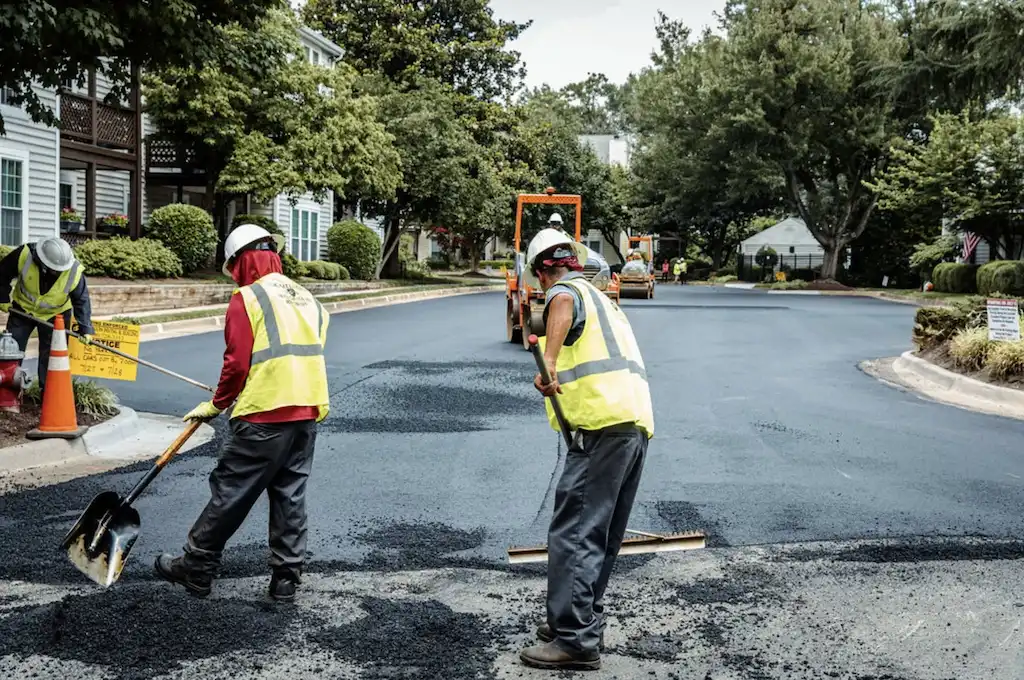
Our crew installs the specified hot-mix asphalt and uses rollers to compact it to the required finished thickness. We also pay attention to joints and transitions, tapering the asphalt along gutter pans where needed to help direct water away from vulnerable edges.
Step 5: Finish the Surface and Plan Reopening
We check the finished pavement and complete line striping when included in your project. We’ll coordinate with you to keep the work area clear during paving and plan vehicle return times around tenant, employee, and visitor access.
How Much Does Asphalt Overlay Cost?
Asphalt overlay costs depend on your parking lot’s size and condition, as well as the required preparation. When the existing pavement is suitable, an overlay typically costs less than full reconstruction because we don’t have to remove and rebuild the entire pavement structure.
Here’s what we consider when estimating your project:
- Pavement Area: Larger parking lots require more asphalt and installation work.
- Existing Damage: Failed areas may need patching or reconstruction before resurfacing.
- Milling Requirements: Removing existing asphalt adds equipment, labor, and material disposal costs.
- Overlay Thickness: Thicker installations require additional asphalt.
- Site Access: Traffic management and phased installation can affect project scheduling and costs.
How Thickness Affects Material Quantities
Overlay thickness directly affects how much asphalt your project requires. For the same paved area, a 2-inch overlay uses approximately one-third more asphalt than a 1.5-inch overlay, assuming the same material density.
You can estimate asphalt quantities based on your pavement’s dimensions and planned thickness. Keep in mind that material quantities alone won’t tell you the total installation cost.
What to Compare in Overlay Estimates
When comparing estimates, check whether each contractor includes pavement repairs, milling, asphalt specifications, finished compacted thickness, and line striping. Also look for exclusions or additional charges that could affect your final cost.
A clear estimate starts with understanding your pavement’s condition and the work it actually needs. That’s why we take the time to assess your parking lot, explain our recommendations, and walk you through the proposed scope before work begins.
Contact Dominion Paving to discuss whether an asphalt overlay is right for your property.